If your baby has dry, red, or irritated skin, you may have come across the word eczema — and it can feel overwhelming at first.
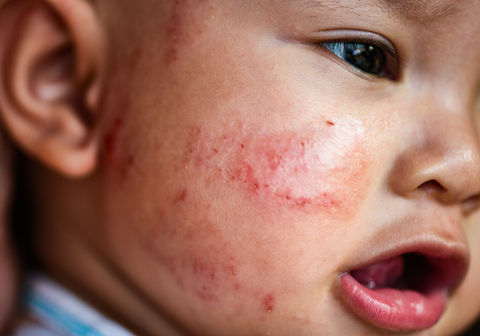
Eczema is a common skin condition in babies that causes dryness, itching, and inflammation. It often appears within the first months of life and can come and go in flare-ups.
For many parents, the hardest part isn’t just understanding eczema — it’s knowing how to care for their baby’s skin gently, without making it worse.
In this guide, we’ll explain what eczema is and share a simple, calming bathing routine to help soothe your baby’s sensitive skin.
What is eczema?
1) Choose Gentle, Fragrance-Free Products
- Use mild, fragrance-free cleansers designed for sensitive skin
- Avoid harsh chemicals, dyes, and strong soaps
- Look for hypoallergenic products
Natural soothing ingredients like oatmeal can help reduce itching and irritation.
Alternative Treatments for Eczema
Prior to initiating any treatment, it's essential to identify the triggers of your eczema. Understanding the irritants present in your environment can enhance your ability to effectively manage the condition, whether you opt for conventional medications, alternative therapies, or a combination of both.
The following complementary and alternative therapies have undergone studies and have been observed to alleviate specific symptoms of eczema in adults. If you're considering alternative therapies for your child's eczema, consult with your healthcare provider for guidance.
- Coconut Oil
- Sunflower Oil
- Topical Vitamin B12
- Vitamins 7 Supplements such as Vitamin D, Fish Oil, Zinc, Selenium, Probiotics, Turmeric & Primrose Oil
2) Bathe in Lukewarm Water
- Avoid hot baths, as hot water can further dry out and irritate sensitive skin. Instead, opt for lukewarm water, which is gentle and less likely to exacerbate eczema symptoms.
- Limit bath time to no more than 10 minutes to prevent over-drying the skin. Shorter, more frequent baths are preferable for babies with eczema.
3) Pat, Don't Rub, Dry
- After bathing, gently pat your baby's skin dry with a soft towel. Avoid rubbing, as friction can aggravate eczema and cause further irritation.
- Leave a thin layer of moisture on the skin and apply moisturiser immediately after bathing to lock in hydration and prevent moisture loss.
We have found it very useful to use the Bebekish Muslin Swaddle for Ethan after bath because it is made from 100% natural bamboo and is incredibly soft. Ethan enjoys bath time even more with it.
When he got older, we start using it after the swimming pool. Great! ⭐️

4) Moisturise Regularly
Moisturising is one of the most important steps in managing eczema.
- Apply a thick, fragrance-free moisturiser straight after bath time
- Lock in hydration while the skin is still slightly damp
- Focus on areas prone to flare-ups (face, hands, knees, elbows)
Consistency is key.
5) Use Soft, Breathable Fabrics
What your baby wears matters more than most people realise.
- Choose soft, breathable fabrics like bamboo and organic cotton
- Avoid rough or synthetic materials that can irritate the skin
- Keep your baby comfortable and well-regulated in temperature
Gentle fabrics can help reduce irritation and support calmer skin throughout the day and night.

6) Keep Nails Short and Smooth
- Trim your baby’s nails regularly
- This helps prevent scratching and further skin damage
- Consider using soft mittens if needed
7) Consult a Paediatrician or Dermatologist
If your baby’s eczema continues or worsens:
- Speak to a paediatrician or dermatologist
- They can guide you with appropriate treatments
- Every baby is different, and support can make a big difference
🌙 Creating Comfort for Sensitive Skin
Caring for a baby with eczema can feel overwhelming, but it doesn’t have to be complicated.
Gentle routines, soft fabrics, and small changes can make a meaningful difference in your baby’s comfort.
If your baby seems unsettled, it may not just be routine — it could be discomfort.
And when you reduce that discomfort, everything else becomes a little easier — sleep, mood, and daily life.