If your baby isn’t sleeping well, you’re not alone.
Many parents assume it’s just a phase… but sometimes, it’s something deeper.
Sleep plays a crucial role in your baby’s growth, emotional regulation, and overall development. But what many parents don’t realise is that comfort, environment, and even fabric can affect how well a baby sleeps.
Many parents search for answers when their baby is not sleeping, but often overlook how comfort and environment affect sleep quality.
In this guide, we’ll walk you through safe baby sleep practices and simple changes that can help your baby feel calmer, more comfortable, and sleep better.
🌿 Why Some Babies Struggle to Sleep
Some babies are more sensitive than others.
They may feel temperature changes, textures, or discomfort more intensely.
Signs your baby may be uncomfortable
- Frequent waking
- Restlessness
- Crying when placed down
For these babies, sleep isn’t just about routine — it’s about feeling safe and comfortable in their environment.
1) Create a Safe Sleep Environment
- Place your baby on their back to sleep, on a firm mattress with a fitted sheet.
- Keep the crib or cot free of blankets, pillows, toys, and other soft bedding that could pose suffocation hazards.
- Avoid overheating by dressing your baby in lightweight clothing and keeping the room temperature comfortable (around 68-72°F or 20-22°C)
-
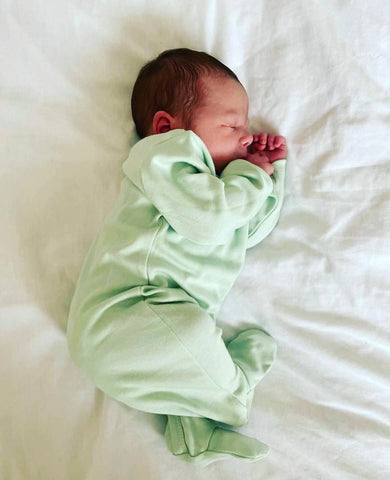
Choosing breathable, soft fabrics can make a noticeable difference to your baby’s comfort.
At Bebekish, we use a blend of bamboo and organic cotton because it helps regulate temperature, reduces irritation, and keeps babies comfortable throughout the night — especially for sensitive skin.
💛 A Mother’s Experience
When my son was a baby, he struggled with constant discomfort and eczema.
We tried everything — routines, products, advice — but nothing worked.
It wasn’t until I changed the fabric he was wearing that everything shifted.
He became calmer, slept better, and for the first time, I felt at ease as a mum.
That experience is what led me to create Bebekish — to help other babies feel that same comfort.
2) Use a Safe Sleep Space
- Provide a separate sleep surface for your baby, such as a crib, bassinet, or play yard, rather than co-sleeping in the same bed.
- Ensure that the sleep space meets safety standards and is free of hazards such as gaps, loose hardware, or protruding parts.
3) Practice Safe Swaddling Techniques
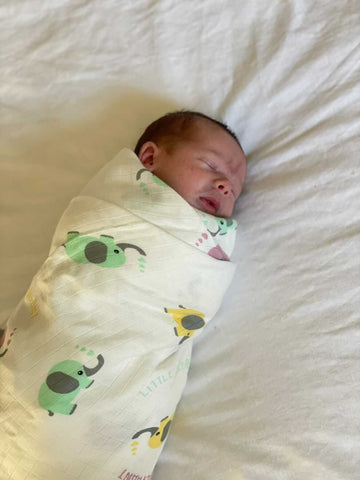
- If you choose to swaddle your baby, ensure that it is done safely. Use a lightweight, breathable swaddle blanket and wrap it snugly around your baby's torso, leaving their hips loose and legs able to move freely.
- Stop swaddling once your baby shows signs of rolling over or breaking free from the swaddle.
- Bebekish Muslin Swaddles are made from 100% bamboo which are lightweight, breathable and super soft.
4) Be Mindful of Sleep Position
- Always place your baby on their back to sleep, both for naps and nighttime sleep, until they are able to roll over on their own.
- If your baby rolls over onto their stomach during sleep, you do not need to reposition them onto their back.
5) Monitor Sleep Environment
- Regularly check the crib or bassinet for any hazards or changes in the sleep environment, such as loose bedding or objects that could pose a suffocation risk.
- Ensure that your baby's sleep space is free of cords, wires, and other potential strangulation hazards.
6) Educate Caregivers
- Inform babysitters, family members, and childcare providers about safe sleep practices and guidelines to ensure consistency in your baby's sleep routine.
- Provide clear instructions on how to create a safe sleep environment and emphasise the importance of following safe sleep recommendations.
🌙 Creating Calm, Comfortable Sleep
Creating a safe sleep environment isn’t just about rules — it’s about helping your baby feel secure, comfortable, and calm.
Small changes, like choosing the right fabrics and creating a soothing environment, can make a big difference.
If your baby is struggling to settle, it may not be something you’re doing wrong — they may simply need a little more comfort.